
Table of Contents
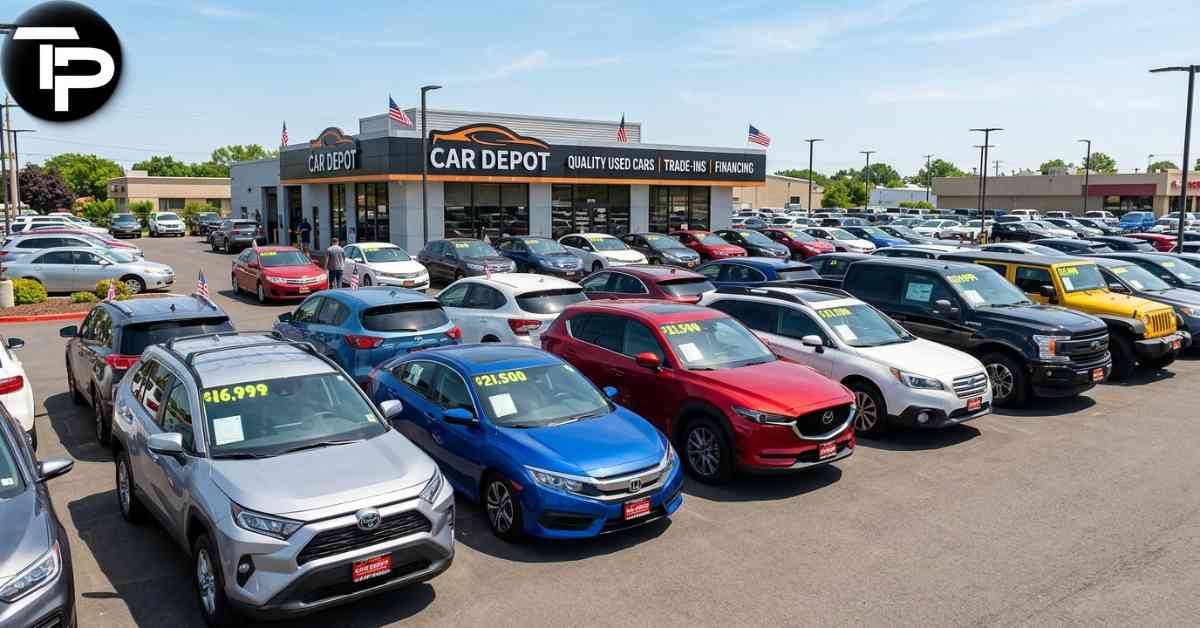
So you’re shopping for a used car and staring at the odometer like it holds all the answers. How many miles is good for a used car? It’s the first question most buyers ask — and it’s also one of the most misunderstood.
The short answer most experts agree on: anywhere between 10,000 and 15,000 miles per year is considered average. So a 5-year-old car with 60,000 to 75,000 miles on it is right in the normal range. But that number alone tells you very little about whether a car is actually a good buy.
Mileage matters — but it’s not the whole story. This guide breaks down what good mileage actually means, when miles become a red flag, and how to make a smart decision that doesn’t come back to bite you three months after purchase.
The 12,000-Mile-Per-Year Rule — And Why It’s Just a Starting Point
The automotive industry has long used 12,000 miles per year as the standard benchmark for “average” driving. Most lease agreements are built around it, and most used car valuations reference it. It gives buyers a baseline to quickly assess whether a car has been driven more or less than expected for its age.
A 3-year-old car with 36,000 miles? Right on average. That same car with 20,000 miles? Low mileage — likely highway driven or gently used. With 55,000 miles? Higher than average, and worth a closer look.
But here’s the thing most dealerships won’t tell you — a well-maintained car with 100,000 miles can be a far better purchase than a neglected one with 40,000. Maintenance history, ownership history, and the type of miles driven all matter just as much as the number on the dash.
What Is a Good Mileage for a Used Car?

If you’re looking for a specific number, here’s a practical breakdown by age of the vehicle:
Mileage Sweet Spots by Vehicle Age
- 1–2 years old — under 25,000 miles is excellent. These are nearly new vehicles, often coming off lease
- 3–4 years old — 30,000 to 50,000 miles is a solid range. Depreciation has already hit hard, saving you money
- 5–7 years old — 60,000 to 90,000 miles is reasonable, especially for Japanese brands known for reliability
- 8–10 years old — 80,000 to 120,000 miles. Still buyable if maintained well and priced right
- 10+ years old — anything over 150,000 miles needs a very thorough pre-purchase inspection
The sweet spot most used car buyers in the US aim for is between 3 and 5 years old with 40,000 to 70,000 miles. You get significant savings off the original MSRP, the car still has plenty of life left, and many manufacturer warranties may still be partially active.
How Many Miles Are Good on a Used Car — Does Brand Matter?
Absolutely. Not all cars age the same way, and mileage tolerance varies significantly by manufacturer and model. This is one of the most important factors buyers overlook.
High-Mileage Brands Known for Longevity
- Toyota — Camry, Corolla, and Tacoma routinely hit 200,000+ miles with basic maintenance
- Honda — Civic and Accord are among the most reliable high-mileage options in the US market
- Lexus and Acura — luxury reliability with strong long-term track records
- Mazda — consistently underrated for longevity, especially the Mazda3 and CX-5
- Subaru — reliable overall, though the older EJ engines had head gasket issues worth checking
Brands Where High Mileage Deserves More Caution
- German luxury brands (BMW, Mercedes, Audi) — expensive to maintain at high mileage, repair costs can be significant
- Certain domestic trucks and SUVs — transmission and engine issues become more common past 100,000 miles depending on model year
- Older Land Rovers — known for high maintenance costs as mileage climbs
A Toyota Camry with 130,000 miles and full service records is often a smarter buy than a BMW 3 Series with 70,000 miles and unknown maintenance history. Always factor in the cost of ownership, not just the sticker price.
How Many Miles Is Too Many for a Used Car?

This is where most buyers want a hard cutoff — and the honest answer is that there isn’t one universal number. However, there are some practical thresholds most automotive experts agree on.
For the average buyer who isn’t mechanically inclined and doesn’t want to deal with frequent repairs, staying under 100,000 miles is a reasonable guideline. Past that point, major components like the timing belt or chain, water pump, transmission fluid, and suspension parts are often due for replacement — adding potential costs that aren’t reflected in the purchase price.
That said, 100,000 miles on a well-serviced Honda or Toyota is genuinely not alarming. The same mileage on a vehicle with no service history and multiple previous owners is a very different story. Context is everything.
Red Flags That Matter More Than Mileage
- No service records or gaps in maintenance history
- Multiple previous owners in a short period of time
- Salvage title or rebuilt title — indicates the car was in a major accident
- Rust on the frame or undercarriage, especially in northern US states
- Mismatched paint panels — signs of body repair after a collision
- Engine warning lights or unusual noises during a test drive
Highway Miles vs. City Miles — Why the Type of Driving Matters
Two cars with identical odometer readings can be in very different mechanical condition depending on how those miles were accumulated. This is a detail most first-time used car buyers don’t know to look for.
Highway miles are generally considered easier on a vehicle. The engine runs at a steady RPM, the brakes aren’t constantly applied, and the car has time to fully warm up. A car with 80,000 mostly highway miles may be in better shape than one with 50,000 city miles that’s been stop-and-go commuting in Chicago or Los Angeles every day for five years.
City driving causes more wear on brakes, tires, transmission, and the engine overall due to constant acceleration and deceleration. If you can find out where and how the car was primarily driven — through the previous owner or a vehicle history report — it gives you a much clearer picture of its real condition.
Tools to Check Before You Buy
Never buy a used car based on mileage and a test drive alone. The US used car market has strong consumer tools available that most buyers don’t fully use.
Essential Checks Before Purchase
- Carfax or AutoCheck report — shows accident history, title status, number of owners, and odometer readings over time
- Pre-purchase inspection (PPI) — have an independent mechanic inspect the car before you commit. Typically costs $100–$200 and can save you thousands
- VIN decoder — confirms the vehicle’s specifications match what’s advertised
- NHTSA safety ratings and recall database — check if the model has any open recalls that haven’t been fixed
- Kelley Blue Book or Edmunds — verify the asking price is fair for the mileage, year, and condition
A $150 pre-purchase inspection is the single best investment you can make when buying a used car. It gives you either peace of mind or significant negotiating power — sometimes both.
What Is a Good Mileage for a Used Car If You’re on a Budget?

Budget shoppers often face a trade-off: lower price typically means higher mileage or older age. Here’s how to navigate that without getting burned.
If your budget is under $10,000, you’re likely looking at vehicles with 80,000 to 130,000 miles. In that range, stick to proven reliable brands — Toyota, Honda, Mazda. Prioritize clean titles and full service history over low mileage on an unfamiliar brand.
Between $10,000 and $15,000, you can typically find 5 to 7 year old vehicles from reliable manufacturers with 60,000 to 90,000 miles — a genuinely solid range. This is where most financially smart used car buyers land.
Budget Buying Tips
- A car with 90,000 miles and full dealer service records beats one with 60,000 miles and no paperwork
- Certified Pre-Owned (CPO) programs from manufacturers offer inspection guarantees and extended warranties worth paying slightly more for
- Avoid the first model year of a redesigned vehicle — early production runs often have reliability issues that get ironed out in year two or three
- Private sellers often offer better prices than dealerships — but require more due diligence on your part
Should You Buy a Used Car With Over 100,000 Miles?
A lot of buyers automatically cross out any car past the 100,000-mile mark. That’s understandable — it feels like a psychological threshold. But in reality, modern vehicles are built to last well beyond that number, and writing off high-mileage cars entirely means missing out on some genuinely great deals.
The key question to ask isn’t “how many miles does it have?” — it’s “how were those miles treated?” A vehicle that received oil changes every 5,000 miles, had its transmission fluid serviced, and was never pushed hard will hold up far better than one that was driven aggressively, skipped maintenance, and sat with low oil for extended periods. The odometer tells you distance — it doesn’t tell you anything about care.
If you’re seriously considering a car with over 100,000 miles, budget an extra $500 to $1,000 upfront for any immediate maintenance items — fresh tires, new brake pads, a coolant flush. Tackle those proactively and you’ll likely drive that car reliably for another 50,000 to 80,000 miles without a major issue, assuming the foundation is solid. That kind of value is hard to find anywhere else in today’s used car market.
How Mileage Affects Used Car Insurance Rates
Most buyers focus entirely on the purchase price when evaluating a used car, but insurance is an ongoing cost that mileage directly influences. Lower-mileage vehicles typically cost more to insure because they carry higher market value — meaning your insurer would pay out more in a total loss scenario. Higher-mileage cars often come with lower insurance premiums for the same reason.
That said, the make and model matter far more than mileage when it comes to your monthly premium. A high-mileage Toyota Corolla will almost always be cheaper to insure than a low-mileage sports car or luxury SUV. Before you finalize any used car purchase, get an insurance quote for that specific vehicle — year, make, model, and trim level. The difference can be $50 to $150 per month depending on what you’re buying, which adds up fast over the life of ownership.
Odometer Fraud — How to Spot a Rolled-Back Odometer

Unfortunately, odometer fraud is still a real problem in the US used car market. The National Highway Traffic Safety Administration (NHTSA) estimates that more than 450,000 vehicles are sold each year with false mileage readings. It’s less common with modern digital odometers, but it still happens — especially in private sales and with older vehicles.
There are several ways to protect yourself. First, always run a Carfax or AutoCheck report and look at the odometer history section. If a car shows 85,000 miles today but recorded 92,000 miles at a previous inspection, something is wrong. Second, look for physical wear that doesn’t match the claimed mileage — worn pedals, a cracked steering wheel, heavily faded seat fabric, or a scuffed driver’s armrest on a “low mileage” car are all red flags. Third, have your mechanic inspect for wear patterns on the brake rotors, suspension, and tires. These tell a story that the dashboard can’t hide.
The Best Time of Year to Buy a High-Value Used Car

Timing your used car purchase strategically can save you as much as a few thousand dollars — and it’s a factor most buyers completely ignore. The used car market in the US fluctuates throughout the year based on inventory cycles, consumer demand, and new model releases.
Late fall and winter — particularly November through January — tend to be the best months for buyers. Dealership traffic slows down, inventory builds up, and salespeople are under pressure to hit year-end numbers. That’s leverage you can use. Avoid shopping in spring and early summer when tax refund season floods the market with buyers and prices climb. The end of each month is also a good window regardless of season — dealers trying to hit monthly quotas are often more willing to negotiate on both price and any upcoming maintenance the vehicle may need.
How to Negotiate Price Based on Mileage
Once you understand what good mileage looks like for a vehicle, you can use it as a real negotiating tool. If a car has higher-than-average miles for its age, that’s a legitimate reason to push for a lower price — and most dealers know it. Pull up the Kelley Blue Book or Edmunds value for the specific mileage and condition during the conversation. Numbers on a screen are harder to argue with than opinion.
On the flip side, if a car has lower mileage than average, don’t let a seller use it as the sole justification for a premium price. Low mileage with no service records, a history of sitting unused, or a salvage title isn’t worth paying extra for. Go into every negotiation knowing the fair market value, the vehicle’s specific history, and the cost of any repairs or maintenance it’s going to need in the near future. That combination of information puts you in a far stronger position — and means you walk away with a deal that’s actually based on what the car is worth, not just what someone is asking for it.
FAQs: How Many Miles Is Good for a Used Car
What is a good mileage for a used car in general?
For most buyers, 12,000 miles per year of the vehicle’s age is a solid baseline. A 4-year-old car with around 48,000 miles is right at average. Under that is considered low mileage; significantly over it warrants closer inspection. The brand and maintenance history matter just as much as the number itself.
How many miles is too many for a used car?
There’s no single answer, but most buyers without mechanical expertise should be cautious above 100,000 miles — especially on brands with higher maintenance costs. On a reliable Japanese vehicle with full service records, 120,000 to 150,000 miles can still represent a good buy. A salvage title with 60,000 miles is a bigger red flag than a clean-title Toyota with 110,000.
How many miles are good on a used car if I plan to drive it for many years?
If longevity is your goal, prioritize a reliable brand over low mileage. A Toyota or Honda with 70,000 miles that’s been properly maintained can easily last another 100,000 miles or more. Look for full service records, no accidents, and a single previous owner. Those factors matter far more than trying to find a low-mileage deal.
Does high mileage always mean more problems?
Not necessarily. High mileage simply means the car has been driven a lot — it says nothing about how well it was maintained. A high-mileage car with detailed service records and no accident history can be more reliable than a low-mileage car that sat unused or was driven hard and neglected. Always get a pre-purchase inspection regardless of mileage.
What is a good mileage for a used car if I’m buying from a dealership?
Dealerships typically certify used vehicles under 80,000 miles for their CPO programs, which is a decent benchmark. For standard used inventory, look for vehicles in the 30,000 to 80,000 mile range if possible. Always verify the vehicle history report and negotiate based on both mileage and condition — don’t let a dealer use “low mileage” as the only selling point.
Conclusion
Figuring out how many miles is good for a used car comes down to more than a single number. Use 12,000 miles per year as your starting benchmark, factor in the brand’s reliability reputation, and never skip the pre-purchase inspection. A well-maintained car with higher mileage will almost always outperform a neglected one with fewer miles on the clock. Buy smart, do your homework, and the right used car will serve you well for years to come.