
Table of Contents
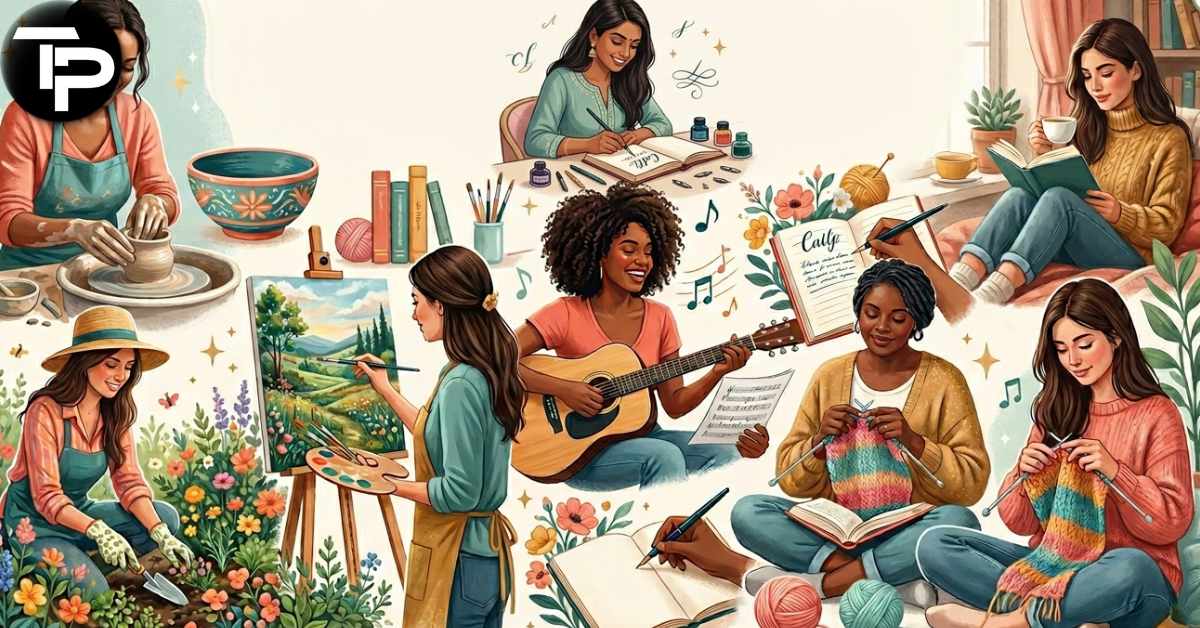
Finding the right hobbies for women isn’t about filling free time — it’s about building a life that feels like yours. Whether you’re a busy professional carving out an hour after work, a mom rediscovering herself, or someone entering a new chapter after 50, the right hobby changes everything. It gives you something that belongs entirely to you.
The problem is that most hobby lists online are either too generic or clearly written by someone who has never actually tried any of them. This guide is different. It’s real, specific, and organized by where you actually are in life — not just a random pile of suggestions.
Why Hobbies Matter More Than Most Women Realize
Research from the American Psychological Association consistently shows that people who engage in meaningful leisure activities report lower stress, better sleep, and stronger emotional resilience. And yet, hobbies are often the first thing women drop when life gets busy.
That’s backwards. Hobbies aren’t a reward you earn after you’ve handled everything else — they’re part of handling everything else well. When you have something that recharges you, everything around you gets better. Your relationships, your work, your patience, your mood. All of it.
The goal isn’t to find a hobby that looks impressive. It’s to find one that actually makes you feel good on an ordinary Tuesday night.
Hobbies for Women in Their 20s — Building Identity Outside of Work
Your twenties are a weird mix of ambition, uncertainty, and way more free time than you’ll have in a decade — even if it doesn’t feel like it right now. This is actually the best window to experiment and figure out what genuinely excites you before life layers on more obligations.
The hobbies that tend to stick for women in their 20s are the ones that offer both personal growth and some kind of community. Solo hobbies are great, but having a class, a club, or even an online group adds accountability and makes it easier to keep showing up.
Top Picks for Women in Their 20s
- Rock climbing or bouldering — builds strength, problem-solving skills, and has one of the most welcoming beginner communities of any sport in the US
- Pottery or ceramics — tactile, meditative, and deeply satisfying. Community studio memberships are affordable in most major cities
- Language learning — pairs beautifully with travel goals and gives you a marketable skill at the same time
- Film photography — slows you down in the best way and produces results that feel genuinely personal
- Hiking and backpacking — starts simple, grows with you, and costs almost nothing to get into
- Journaling or creative writing — underrated for self-awareness and processing a decade full of transitions
Don’t overthink it. Pick one that sounds interesting, not one that sounds impressive. The best hobby is the one you’ll actually do.
Hobbies for Women Over 50 — Rediscovering What You Actually Enjoy
If you’re over 50 and feeling like you’ve lost track of who you are outside of your roles — as a mother, a spouse, a professional — you are not alone. This is one of the most commonly reported experiences among women in this life stage, and it’s also one of the most fixable.
The shift that happens for many women after 50 is that they stop caring what anyone else thinks about their hobbies. That’s not a loss — that’s freedom. This is the stage where women tend to find the hobbies they stick with for life, because they’re finally choosing based on genuine enjoyment rather than social expectation.
Fulfilling Hobbies for Women Over 50
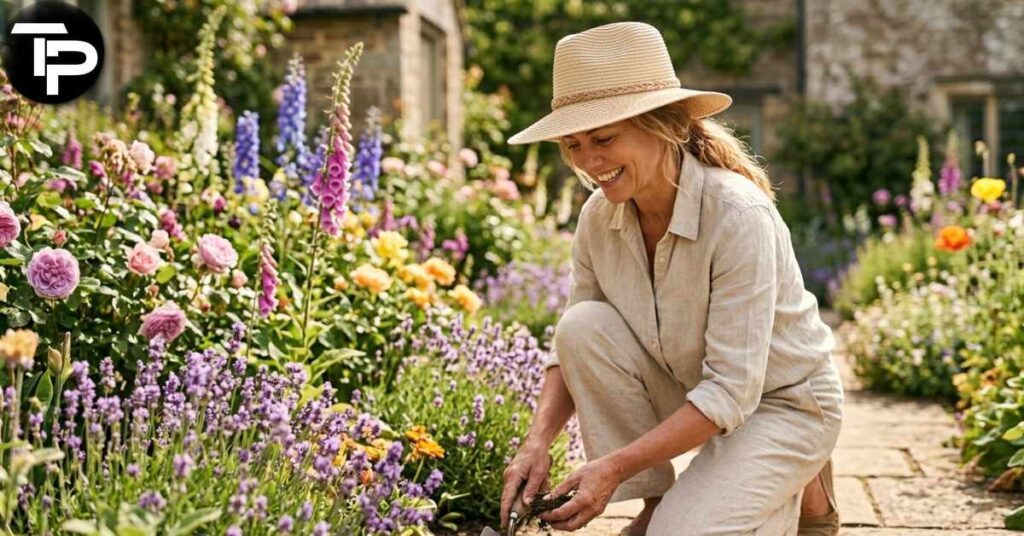
- Gardening — consistently ranked among the most satisfying long-term hobbies. Physical, creative, and deeply grounding
- Watercolor or oil painting — no prior art experience needed. Many US community centers offer beginner-friendly adult classes
- Memoir writing — a powerful way to process life experiences and leave something meaningful behind
- Swimming or water aerobics — easy on joints, excellent cardiovascular benefits, and highly social
- Volunteer work with a cause you care about — studies consistently link volunteering to lower rates of depression and higher life satisfaction
- Genealogy research — endlessly interesting, especially with modern tools like Ancestry and 23andMe making it more accessible than ever
- Book clubs — social, intellectually stimulating, and gives you a reason to read more
The biggest mistake women over 50 make with hobbies is starting too cautiously. Sign up for the full class, not just the free intro. Commit to showing up. That’s where the real value kicks in.
Couple Hobbies — Finding Things You Both Actually Want to Do
Couple hobbies are one of the most underused tools for keeping a relationship energized. Not the forced “date night” version — the kind where you’re both genuinely engaged in something, learning together, and experiencing small wins side by side.
The research on this is pretty clear: couples who regularly try new things together report significantly higher relationship satisfaction. Novelty and shared challenge strengthen the bond in ways that a nice dinner simply can’t replicate.
Couple Hobbies That Actually Work
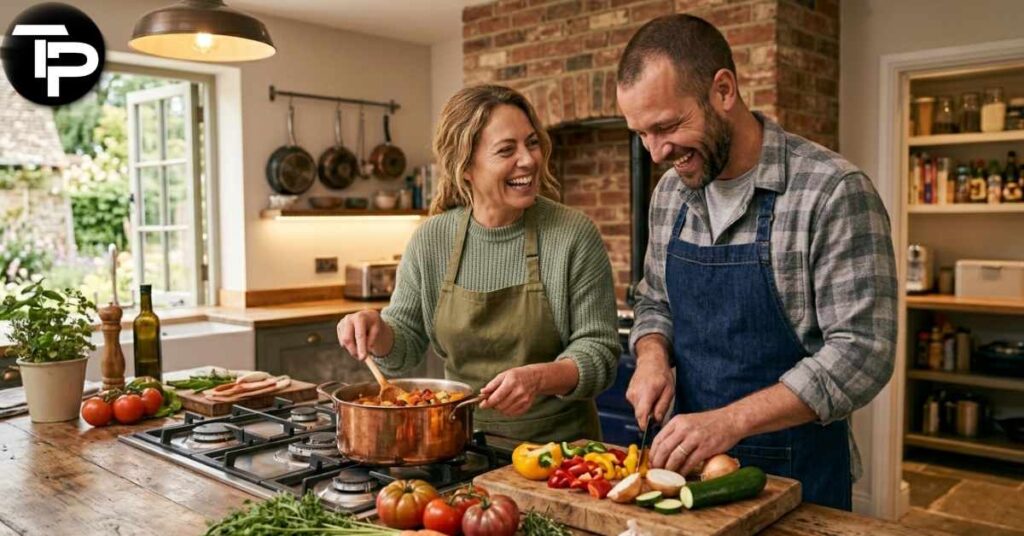
- Cooking a specific cuisine together — pick a country, buy a cookbook, cook through it. Italian, Thai, Japanese — whatever you’re both curious about
- Cycling — low-pressure, adjustable to both fitness levels, and great for exploring your city or local trails together
- Partner dancing — salsa, swing, ballroom. Takes coordination and communication, which is exactly the point
- Couples’ pottery class — more fun than it sounds, and the running “Ghost movie” jokes never get old
- Traveling to a new place annually — even a nearby state you’ve never explored counts. New environments create shared memories faster than almost anything else
- Board gaming or strategy games — competitive but playful, and a genuinely great way to spend an evening without screens
The most important thing with couple hobbies is choosing something neither of you is already good at. Equal footing from the start removes ego from the equation and makes the learning process something you go through together.
Hobby and Work — How the Right Hobby Can Improve Your Professional Life
There’s a version of this conversation that’s all about “side hustles” — turning your hobby into income. That’s fine if that’s what you want. But there’s a more interesting and often more valuable connection between hobby and work that doesn’t involve monetizing anything.
Hobbies train skills that directly transfer to the workplace. Painting builds patience and attention to detail. Writing sharpens communication. Running builds mental discipline. Improv comedy — genuinely one of the best things you can do for your professional life — builds adaptability, active listening, and presence under pressure.
Many of the most effective leaders and high performers in the US deliberately protect their hobby time for exactly this reason. It’s not escapism — it’s maintenance. A brain that has a genuine off-switch performs better when it’s switched on.
Hobbies That Directly Build Career-Relevant Skills
- Public speaking or Toastmasters — directly improves confidence, structure, and persuasion
- Improv comedy classes — builds quick thinking, active listening, and comfort with uncertainty
- Chess or strategic board games — sharpens decision-making, pattern recognition, and long-term planning
- Blogging or content creation — strengthens written communication and digital literacy
- Learning a musical instrument — builds discipline, memory retention, and the ability to sit with frustration productively
- Yoga or meditation — improves emotional regulation, focus, and stress response under pressure
Low-Cost Hobbies That Don’t Require a Big Investment
One of the most common reasons women put off finding a hobby is cost. But the idea that hobbies are expensive is largely a myth — or at least, it doesn’t have to be true.
Some of the most fulfilling hobbies cost almost nothing to start. Reading is free if you use your local library or the Libby app. Walking and hiking require shoes you already own. Journaling takes a $3 notebook. Drawing needs a pencil and some paper. Cooking new recipes works with your existing grocery budget.
Great Hobbies Under $20 to Start
- Reading — free through libraries, Libby, or Project Gutenberg for classics
- Drawing or sketching — a basic sketchbook and pencil set from any craft store
- Running or walking — zero equipment cost beyond shoes you likely already own
- Journaling — any notebook works. The habit matters, not the aesthetic
- Baking — uses pantry staples and builds a genuinely useful skill at the same time
- Yoga at home — YouTube has thousands of free classes at every level
- Bird watching — a free app like Merlin from Cornell Lab is all you need to start
How to Actually Stick With a New Hobby
Most people quit a new hobby within the first three weeks. Not because they don’t enjoy it — but because they never built the habit loop around it. The hobby stays in the “someday” category until it disappears entirely.
The fix is almost embarrassingly simple: schedule it. Put it on your calendar like an appointment you can’t cancel. Twenty minutes three times a week beats two-hour weekend sessions that never happen. Start smaller than you think you need to. The goal in the first month isn’t excellence — it’s consistency.
Tips to Make a Hobby Stick
- Attach it to an existing habit — read after your morning coffee, sketch after dinner, walk right after work
- Tell someone — accountability increases follow-through significantly, even just mentioning it to a friend
- Keep the barrier low — if your yoga mat is rolled up in a closet, you’ll skip it. Keep it visible and accessible
- Track a streak — apps like Habitica or even a simple paper calendar make consistency feel rewarding
- Give it 30 days before you decide if you like it — most hobbies take time to click
FAQs: Hobbies for Women
What are the best hobbies for women in their 20s?
The best hobbies for women in their 20s combine personal growth with community. Rock climbing, pottery, hiking, language learning, and creative writing all fit this description well. The key is choosing something that challenges you slightly and has a social component — classes and clubs make it much easier to keep showing up and build real skill over time.
What are good hobbies for women over 50?
Gardening, watercolor painting, swimming, memoir writing, and volunteering are among the most consistently fulfilling hobbies for women over 50. At this stage, the best hobbies tend to be the ones chosen for pure enjoyment rather than productivity or appearance. Book clubs and genealogy research are also excellent for staying mentally sharp and socially connected.
What are some good couple hobbies to try together?
The best couple hobbies are ones where both people start as beginners. Cooking a new cuisine, partner dancing, cycling, and couples’ pottery classes all create shared learning experiences that strengthen connection. Avoid hobbies where one partner is significantly more skilled — unequal footing tends to create tension rather than fun.
How does hobby and work life balance actually improve performance?
Hobbies give your brain genuine recovery time, which directly improves focus, creativity, and emotional regulation at work. Specific hobbies like improv, public speaking, chess, and meditation build skills that transfer directly to professional performance. The research is consistent — people who protect dedicated leisure time are more productive and less burned out than those who don’t.
How do I find a hobby I’ll actually stick with?
Start by thinking about what you enjoyed as a child before social pressure shaped your interests. Then pick one thing, schedule it consistently, and give it at least 30 days before deciding. The first few sessions of any hobby feel awkward — that’s normal, not a sign you’ve chosen wrong. Consistency in the first month matters far more than enthusiasm in the first session.
Conclusion
The right hobbies for women aren’t about trends, productivity, or what looks good on social media. They’re about finding something that makes ordinary life richer — something that’s yours. Whether you’re in your 20s still figuring things out, over 50 reclaiming your time, building something meaningful with a partner, or looking for that balance between hobby and work — the best time to start is right now. Pick one thing. Show up for it consistently. The rest follows.