

Most people use the terms interchangeably, but the difference between tuxedo and dinner suit is mostly cultural — and it still matters depending on where you are and how formal the event is.
If you’ve ever stood in front of a mirror wondering whether you’re wearing the “right” formal outfit, you’re not alone. The confusion between a tuxedo vs suit or dinner suit vs business suit comes up often, especially in the US.
Let’s break it down clearly so you always get it right.
What Is a Tuxedo?

A tuxedo is the American term for a formal evening outfit designed for black-tie events.
It’s not just a black suit. The details are what set it apart.
Key Features of a Tuxedo
- Satin lapels (usually silk or grosgrain)
- Satin stripe along the trousers
- Worn with a bow tie (not a necktie)
- Typically paired with a formal white shirt
- Often includes a cummerbund or waistcoat
The tuxedo is reserved for evening occasions. Think weddings, galas, or black-tie dinners.
When to Wear a Tuxedo
You should wear a tuxedo when the dress code says:
- Black tie
- Formal evening event
- Gala or awards ceremony
Wearing a tux where it’s not required can feel overdressed. But skipping it when expected stands out even more.
What Is a Dinner Suit?
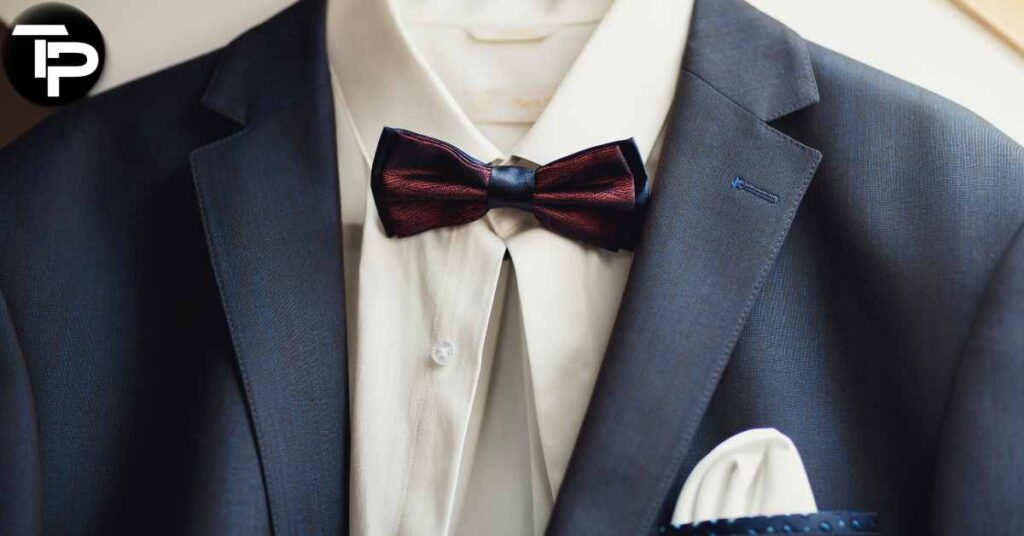
A dinner suit is simply the British term for a tuxedo.
That’s it.
In the UK and other parts of the world, “dinner suit” is the correct name. In the US, people say “tuxedo.”
Why the Name “Dinner Suit”?
Historically, it was worn during formal evening dinners in the 19th century.
Over time, the name stuck in British English, while Americans adopted “tuxedo” from Tuxedo Park, New York.
Are They Exactly the Same?
Yes — in modern usage.
There’s no functional difference between a tux and suit when referring to a dinner suit vs tuxedo. The difference is purely regional language.
Difference Between Tuxedo and Dinner Suit in the US Context
Here’s where things matter for US readers.
In America, “tuxedo” is the standard term. Saying “dinner suit” might sound unusual or overly formal.
Practical Takeaway
- In the US → say “tuxedo”
- In the UK → say “dinner suit”
The outfit itself doesn’t change. But using the right term helps you sound natural and informed.
Tuxedo vs Suit: The Real Difference
Now this is where things get important.
The difference between tuxedo and suit isn’t just about naming — it’s about formality and design.
Key Differences at a Glance
- Lapels
Tuxedo: Satin
Suit: Same fabric as jacket - Buttons
Tuxedo: Satin-covered
Suit: Standard buttons - Trousers
Tuxedo: Satin stripe
Suit: Plain - Shirt
Tuxedo: Formal (pleated or bib front)
Suit: Regular dress shirt - Tie
Tuxedo: Bow tie
Suit: Necktie
When to Choose Each
Choose a tuxedo for:
- Black-tie events
- Evening weddings
- Formal parties
Choose a suit for:
- Business meetings
- Daytime events
- Semi-formal occasions
This is the core of the tuxedo vs suit debate. One is formalwear. The other is versatile.
Dinner Suit vs Business Suit: What Sets Them Apart?
A dinner suit vs business suit comparison makes things even clearer.
A business suit is designed for everyday professional wear. A dinner suit is strictly for formal evenings.
Key Differences
- Fabric
Dinner suit: More refined, often with sheen
Business suit: Matte and practical - Styling
Dinner suit: Minimal, sleek, formal
Business suit: Functional, sometimes patterned - Accessories
Dinner suit: Bow tie, cufflinks, patent shoes
Business suit: Necktie, standard dress shoes
When Each Works Best
Dinner suit:
- Weddings
- Formal dinners
- Black-tie events
Business suit:
- Office wear
- Interviews
- Conferences
Mixing them up can send the wrong message. A tux at a board meeting looks out of place. A business suit at a black-tie event looks underdressed.
How to Choose Between a Tuxedo and a Suit
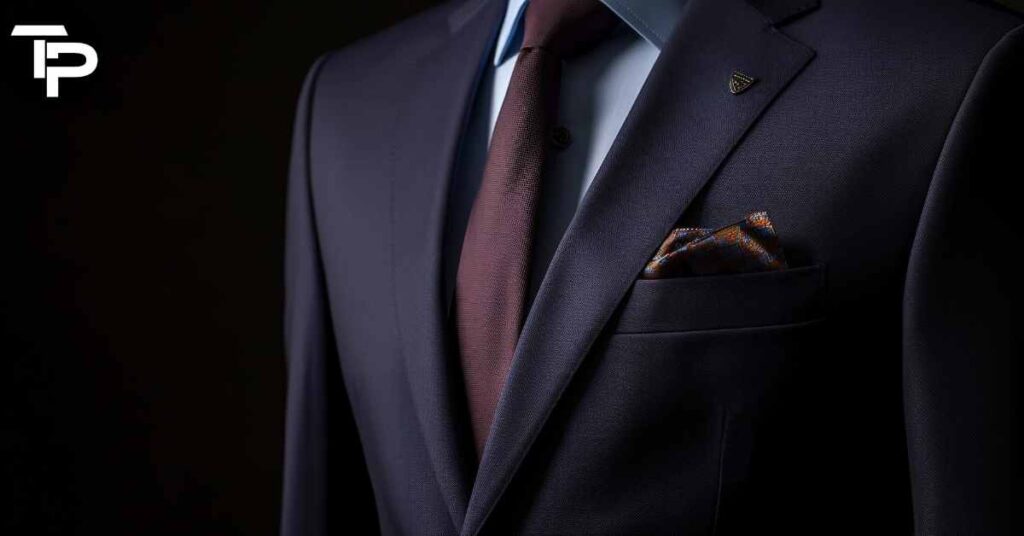
If you’re unsure, focus on the event and timing.
Ask Yourself These Questions
- Is the event after 6 PM?
- Does the invite say “black tie”?
- Is it a formal celebration?
If yes, go with a tuxedo.
If not, a suit will usually work just fine.
Style Tips That Make a Difference
- Fit matters more than brand
- Stick to classic black or midnight blue for tuxedos
- Avoid flashy colors unless the event allows it
- Invest in good shoes — they complete the look
A well-fitted suit can outperform a poorly fitted tux every time.
Common Mistakes to Avoid
Even small errors can ruin a formal look.
Watch Out For These
- Wearing a necktie with a tuxedo
- Pairing a tuxedo jacket with regular trousers
- Choosing shiny, cheap fabrics
- Ignoring proper fit
Formalwear is about precision. The details matter.
FAQ
What is the difference between tuxedo and dinner suit?
There is no real difference. The difference between tuxedo and dinner suit is just terminology — “tuxedo” in the US and “dinner suit” in the UK.
Tuxedo vs suit — which is more formal?
A tuxedo is more formal. It’s designed for black-tie events, while a suit is suitable for business and semi-formal occasions.
Dinner suit vs business suit — can they be used interchangeably?
No. A dinner suit is for formal evening events, while a business suit is for professional or daytime wear.
What is the difference between tux and suit in styling?
The difference between tux and suit comes down to satin details, accessories, and overall formality.
Difference between a tux and suit — which should I buy first?
Start with a well-fitted dark suit. It’s more versatile. Add a tuxedo later for formal occasions.
Conclusion
The difference between tuxedo and dinner suit comes down to language, not design. They’re the same outfit, used in different regions.
The real distinction you should focus on is between a tuxedo vs suit. That’s what determines how appropriate your outfit is for an event.
When in doubt, follow the dress code, prioritize fit, and keep things simple. You’ll never go wrong with that.