
Table of Contents
Hurricanes. Wildfires. Floods. Earthquakes.
When disaster strikes, every second counts. The men and women on the front lines run toward danger while everyone else runs away.
But they cannot do it alone.
The real question is how can we empower the disaster management crew to work faster, safer, and smarter. Not with empty praise. With real tools, training, and support.
Let me show you what actually works.
The Three Biggest Gaps Right Now
Before we fix the problem, we need to understand it.
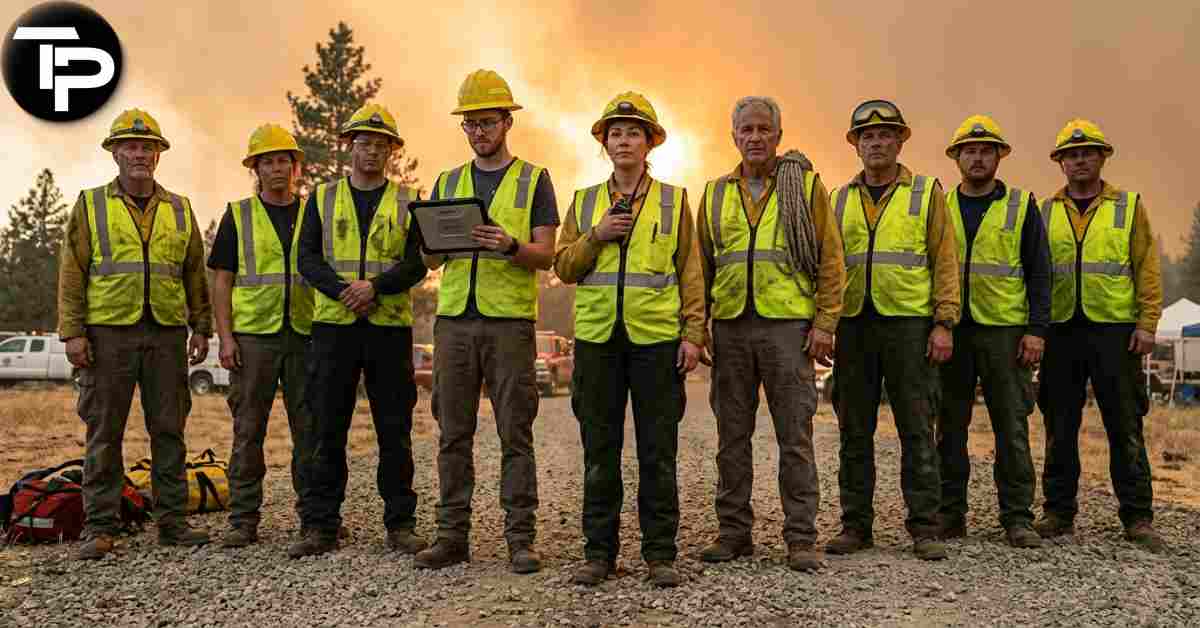
Most disaster response crews face the same three bottlenecks. Outdated communication systems. Poor real-time data. Exhaustion from back-to-back shifts.
Close these gaps, and you save lives.
Communication Breakdowns Kill Time
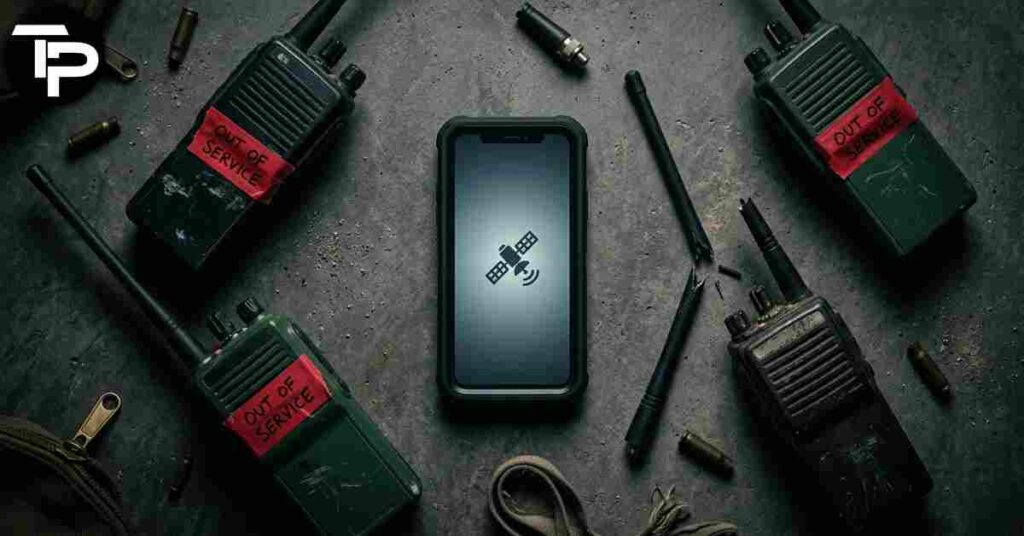
Firefighters and paramedics still rely on radio systems from the 1990s.
Dead zones are common. Interoperability between different agencies is a nightmare. Police cannot talk to fire. Fire cannot talk to EMS.
Fix the radios, and you fix the first domino.
Technology That Actually Makes a Difference
Real empowerment looks like tech that works in the field. Not shiny gadgets. Reliable tools.
Here is what disaster crews need right now.
Real-Time Mapping and Drone Support
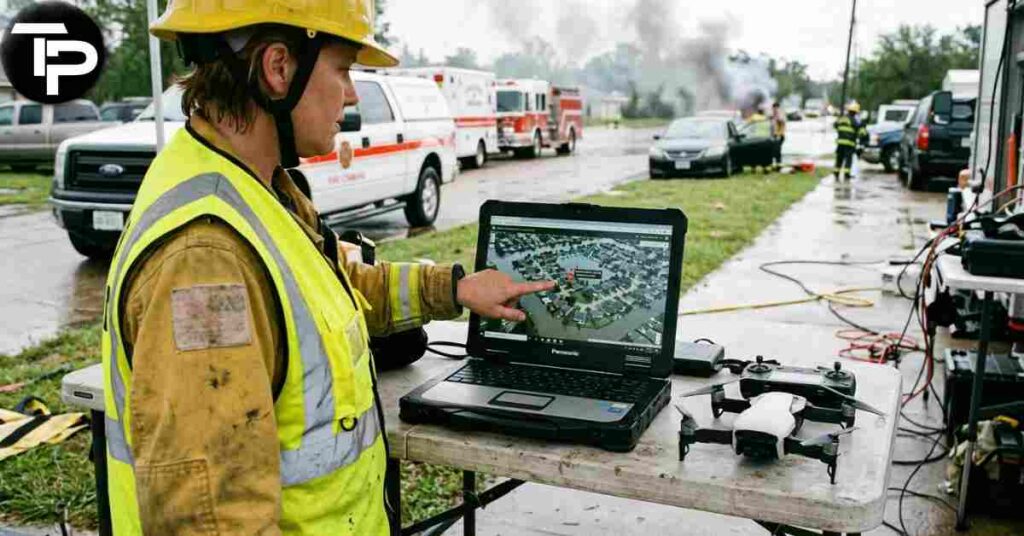
A drone launched in sixty seconds gives commanders a bird’s eye view of the entire scene. Flood boundaries. Fire perimeters. Collapsed building layouts.
This data gets pushed directly to every crew member’s tablet or phone. No guessing. No wasted movement.
Offline-First Mobile Apps
Cell towers fail during disasters. That is a fact.
Crews need apps that work without internet. Pre-loaded building maps. Offline GPS. Downloadable hazmat databases. If the app requires a signal to function, it is useless in a real crisis.
How Can We Empower the Disaster Management Crew Through Better Training
Technology is nothing without the skills to use it.
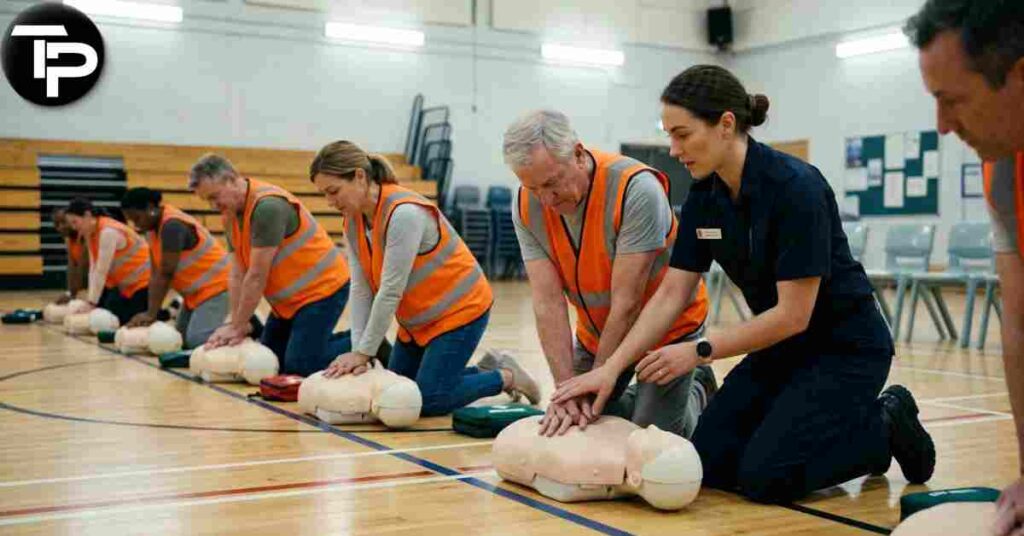
Training has to shift from annual classroom sessions to ongoing, scenario-based drills.
Simulation-Based Drills
Virtual reality training costs have dropped seventy percent in the last five years.
Crews can practice active shooter scenarios, building collapses, and chemical spills without any risk. Repeat the same scenario twenty times until responses become automatic. Muscle memory saves time. Time saves lives.
Cross-Agency Drills
Police, fire, and EMS train separately. Then they meet at a real disaster and learn each other’s jargon on the fly.
Mandatory quarterly joint drills fix this. No exceptions.
Mental Health Support as a Force Multiplier
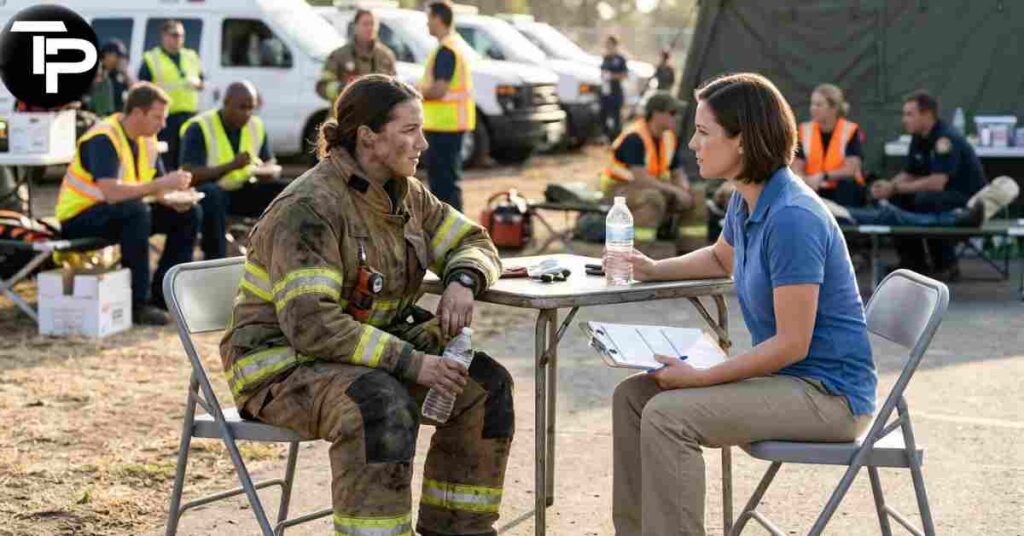
You cannot empower exhausted, traumatized crews.
Burnout is the silent killer of disaster response. Studies show that critical incident stress leads to slower reaction times, poor judgment, and early retirement.
On-Site Mental Health Teams
Send counselors to the staging area, not just the office afterward.
A ten-minute check-in between shifts keeps small problems from becoming career-ending breakdowns. Peer support programs work. Fund them.
Better Equipment Through Smarter Funding
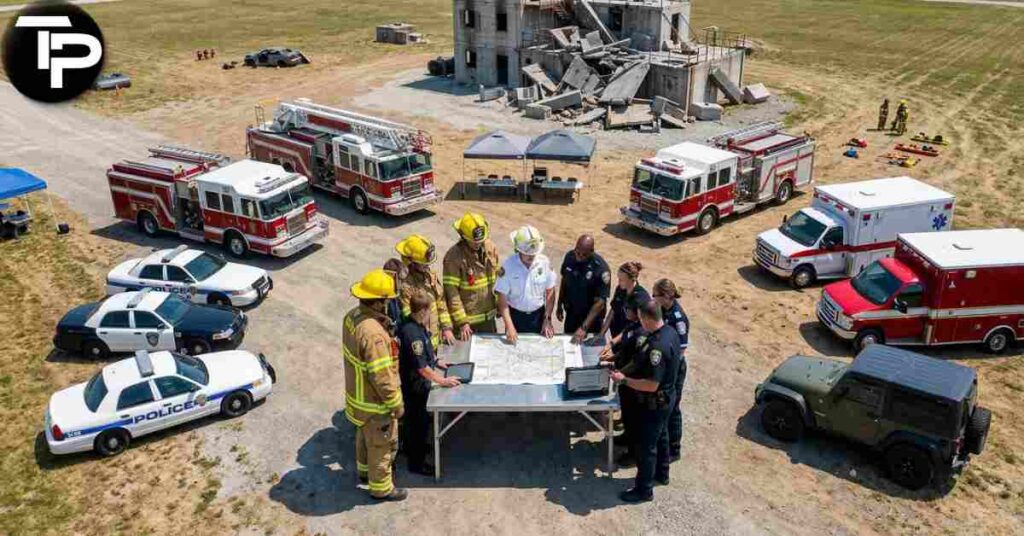
Disaster crews often use patched-together gear held by duct tape and hope.
Empowerment means buying the right equipment once.
What to Prioritize
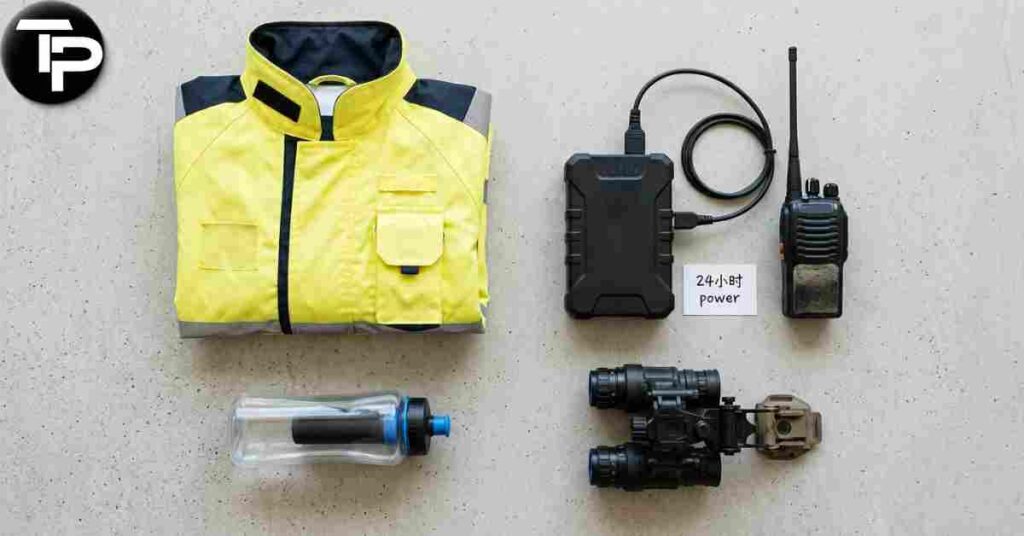
- Lightweight, heat-resistant turnout gear
- Portable water filtration for extended deployments
- Backup power sources for communication hubs
- Night vision and thermal imaging for every unit
None of this is glamorous. All of it is necessary.
Community Support That Actually Helps
Civilians ask the same question after every disaster. What can I do?
The answer is not showing up with sandwiches. That creates chaos.
The Three Most Useful Actions
- Register with your local Community Emergency Response Team (CERT). Get trained now, not during the crisis.
- Donate money to reputable response organizations, not random GoFundMe pages.
- Stay off the roads during active emergencies. Traffic jams kill response times more than anything else.
Frequently Asked Questions
How can we empower the disaster management crew without spending millions of dollars?
Start with low-cost fixes. Joint training exercises cost almost nothing. Improving radio interoperability requires policy changes, not new hardware. Peer support mental health programs run on volunteer time. Money helps. But smart systems help more.
What is the single biggest obstacle disaster crews face today?
Communication breakdowns between different agencies. Police radios that cannot talk to fire radios. EMS teams that cannot share patient data with hospitals. Fixing interoperability would cut response times by an estimated thirty percent.
Can AI really help disaster response crews?
Yes, but only as a support tool. AI can predict flood paths, fire spread, and building collapse patterns. It cannot replace human judgment. Use AI for data analysis. Let humans make the final call.
How does mental health affect disaster response speed?
Directly and dramatically. A sleep-deprived, traumatized crew makes decisions thirty to forty percent slower than a rested crew. Good mental health support is not soft. It is tactical.
What should I do if a disaster happens in my area right now?
Stay put unless ordered to evacuate. Do not call 911 unless you have a life-threatening emergency. Keep roads clear for emergency vehicles. Listen to official sources. Your cooperation is your contribution.
Empowerment Is a Choice, Not a Budget Line
We ask disaster crews to walk into hell. The least we can do is give them a proper map and a working flashlight. How can we empower the disaster management crew is not a technical question. It is a moral one. Better radios. Smarter training. Mental health support. Reliable gear. Respect their time and their sanity. Do those things, and response times drop. Lives get saved. Burnout rates fall. The solutions exist. They just need funding and political will. Push your local representatives. Vote for bond measures that support first responders. Show up to CERT training yourself. Empowerment starts with all of us.