
Table of Contents
Your dog is breathing fast, mouth open, tongue hanging out — and you cannot figure out why. If you are asking yourself why is my dog panting so much, you are not overreacting. Sometimes dog panting is completely normal. Other times it is your dog’s only way of telling you something is seriously wrong.
The trick is knowing the difference. This guide breaks down the real reasons behind heavy panting, what excessive panting in dogs actually looks like, and when you need to call your vet instead of waiting it out.
Why Do Dogs Pant — The Basic Biology
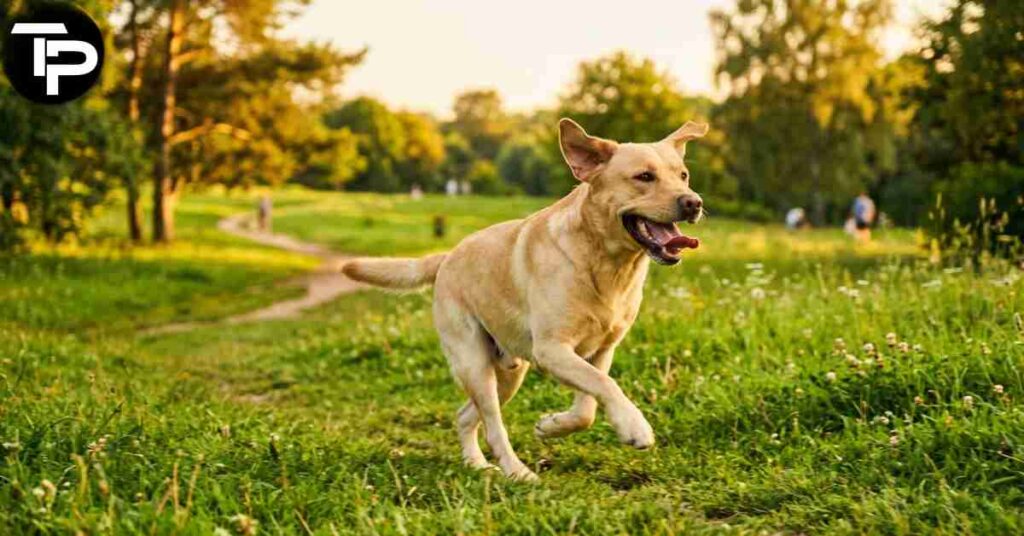
Dogs do not sweat the way humans do. Their sweat glands are limited to the pads of their paws, which barely move the needle on body temperature. So panting is their primary cooling system.
When a dog pants, air moves rapidly across the tongue and through the lungs. Moisture evaporates, body heat escapes, and the dog cools down. It is efficient, it is natural, and after a walk on a warm Texas afternoon, you should expect it.
Normal dog panting is rhythmic, unlabored, and stops once the dog rests and cools down. The moment it becomes persistent, heavy, or shows up without an obvious trigger — that is when you pay closer attention.
Why Is My Dog Panting So Much? The Most Common Reasons
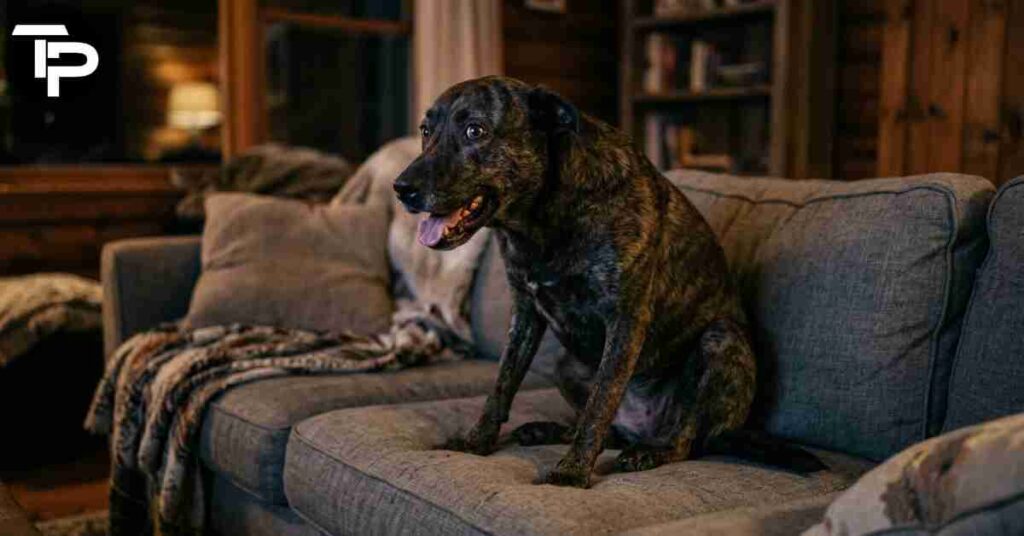
Most cases of heavy panting fall into one of several categories. Some are harmless. Some need prompt attention.
Heat and Overexertion
The most common reason by far. After a run, a long play session, or time outside in summer heat, panting hard is exactly what a healthy dog does. Give your dog water, shade, and rest — the panting should slow within 10 to 15 minutes.
If it does not slow down after rest and cool water, or if your dog seems disoriented or collapses, that is heat exhaustion. Get to a vet immediately.
Stress and Anxiety
Dogs pant when they are scared, anxious, or overwhelmed. Thunderstorms, fireworks, vet visits, car rides, new environments — all of these trigger a stress response that shows up as fast, shallow breathing.
Stress panting often comes with other signals: pacing, whining, yawning repeatedly, tucked tail, or wide eyes. If your dog pants heavily during specific situations, anxiety is likely the root cause.
Pain or Discomfort
Dogs hide pain well. Panting is one of the clearest signs that something hurts. A dog dealing with joint pain, an injury, bloat, or an internal issue will often pant persistently even when resting in a cool room.
Watch for panting paired with restlessness, reluctance to move, changes in posture, or loss of appetite. That combination almost always means pain.
Medication Side Effects
Certain medications — particularly prednisone and other corticosteroids — cause increased panting as a direct side effect. If your dog recently started a new prescription and the panting appeared around the same time, mention it to your vet. The dosage may need adjusting.
Excessive Panting in Dogs — When It Becomes a Red Flag
Excessive panting in dogs looks different from normal recovery breathing. The key signals to watch for:
- Panting that does not slow down after 15 minutes of rest in a cool environment
- Panting that sounds raspy, strained, or louder than usual
- Gums that look pale, white, blue, or bright red instead of a healthy pink
- Panting combined with drooling, vomiting, or a bloated belly
- Sudden onset panting in a dog that was resting calmly moments before
Any of those signs warrant a vet call. Do not wait to see if it resolves on its own.
Why Is My Dog Panting at Night?
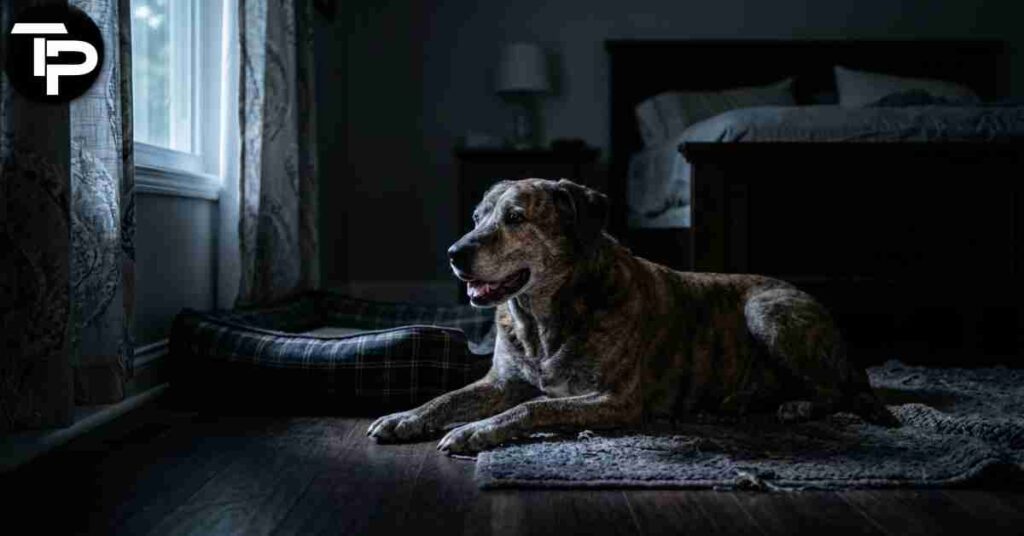
Dog panting at night catches a lot of pet owners off guard because there is no obvious trigger. The house is cool. The dog has not exercised. So what is going on?
Nighttime panting in dogs is often linked to cognitive dysfunction — a condition similar to dementia that affects older dogs. The dog feels confused or unsettled during the night and cannot calm down. It frequently shows up alongside restlessness, staring at walls, or disrupted sleep schedules.
Pain is another frequent culprit. Arthritis pain often worsens at night when a dog lies still for extended periods. The discomfort builds and the dog pants in response. If your senior dog has started panting after midnight for no clear reason, an orthopedic or cognitive evaluation with your vet is a smart next step.
Anxiety can also spike at night — separation anxiety, noise sensitivity, or changes in the household routine all contribute to why is my dog panting at night with no obvious explanation.
Breeds That Pant More Than Others
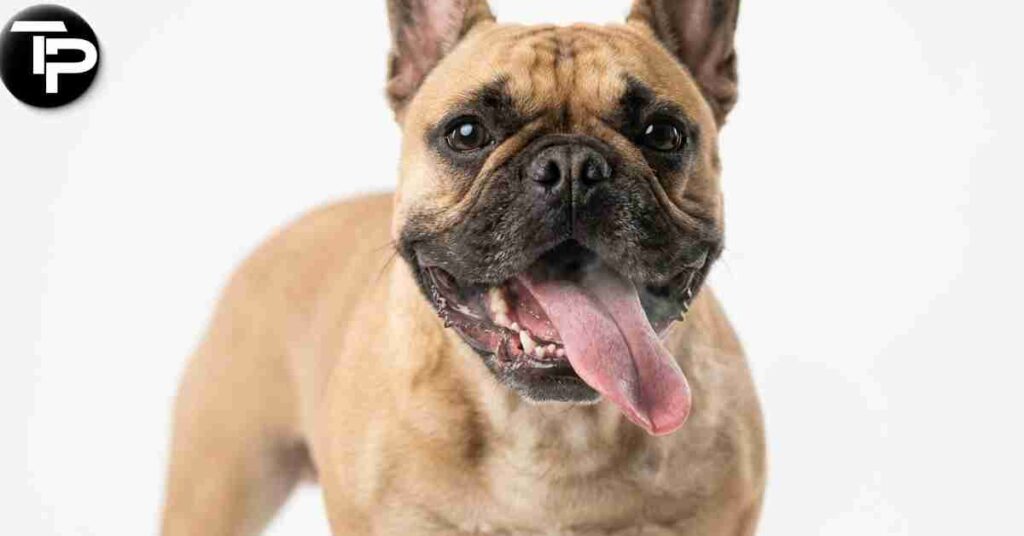
Brachycephalic breeds — bulldogs, pugs, Boston terriers, boxers, French bulldogs — have shortened airways that make breathing harder under normal conditions. These dogs pant more frequently and with more visible effort than long-snouted breeds.
If you own a flat-faced dog, heavier panting is part of their baseline. But watch for signs of respiratory distress: blue-tinged gums, labored breathing during rest, or collapse. These breeds are prone to airway issues that can become serious quickly.
What You Can Do Right Now
Before you call the vet, run through this quick checklist:
- Move your dog to a cool, shaded area and offer fresh water
- Check the gum color — press on the gums and see how fast the pink color returns
- Think about what changed recently — new medication, new environment, recent exertion
- Check for visible signs of injury or swelling anywhere on the body
- Note how long the panting has been going on and whether it is getting better or worse
If the panting stops after rest and cool water, monitor for the rest of the day. If it continues, intensifies, or comes with any of the red flag signs above — call your vet. This is not a situation for a Google deep dive at midnight.
Frequently Asked Questions
Why do dogs pant even when they are not hot?
Dogs pant for reasons beyond heat — stress, pain, anxiety, medication side effects, and medical conditions all trigger panting without any rise in body temperature. If your dog is panting in a cool room after resting, something other than heat is the cause and it deserves a closer look.
What does excessive panting in dogs look like compared to normal panting?
Normal panting slows down after 10 to 15 minutes of rest and cool water. Excessive panting continues at rest, sounds strained or raspy, or comes with other symptoms like pale gums, restlessness, or lethargy. If the panting is not responding to rest, it is not normal.
Why is my dog panting at night all of a sudden?
Sudden nighttime panting in an older dog often points to cognitive dysfunction or worsening arthritis pain. In younger dogs, anxiety or a new stressor in the home environment is more likely. If it happens more than two nights in a row with no obvious cause, a vet visit is worth scheduling.
Is dog panting at night ever an emergency?
Yes — if the nighttime panting comes with pale or blue gums, collapse, vomiting, or a visibly distended belly, treat it as an emergency. Bloat in particular is life-threatening and presents with heavy panting, restlessness, and an enlarged abdomen. Do not wait until morning.
How do I calm a dog that is panting from anxiety?
Move the dog to a quiet, familiar space away from the stressor. Speak calmly and avoid making a fuss — too much attention can reinforce anxious behavior. A snug-fitting anxiety wrap can help during storms or fireworks. For dogs with persistent anxiety-driven panting, ask your vet about behavioral support or medication options.
Pay Attention Your Dog Is Talking to You
When you ask why is my dog panting so much, the answer is almost always somewhere in their environment, their body, or their emotional state. Most of the time it is nothing serious. But the cases where it is serious move fast — and catching them early makes all the difference.
Know your dog’s normal. Know what their regular breathing looks like at rest, after exercise, and during stressful situations. When something shifts from that baseline, trust your instinct. A quick call to your vet costs nothing and rules out the things that matter most.
Trusted Resources to Learn More About Dog Health
If your dog’s panting is concerning you, it always helps to get information from verified veterinary sources. The American Kennel Club (AKC) covers dog panting in detail — including the difference between normal cooling behavior and signs that warrant a vet visit. Their pet health library is one of the most trusted free resources for US dog owners.
For deeper medical guidance, the VCA Animal Hospitals maintain a comprehensive knowledge base written by licensed veterinarians. Their article on panting in dogs explains the physiological and medical causes clearly without oversimplifying.
The ASPCA Dog Care Center is another excellent authority site — particularly useful if you suspect your dog’s excessive panting might be linked to anxiety, a toxic substance, or an emergency situation. They also provide a 24-hour Animal Poison Control hotline if ingestion is a concern.
For breed-specific panting concerns — especially brachycephalic breeds like bulldogs and pugs — the Merck Veterinary Manual provides clinical-level detail that helps you understand exactly what your vet is evaluating. It reads like a textbook but covers respiratory conditions in dogs more thoroughly than most general pet sites.
And if you are dealing with nighttime panting in a senior dog and suspect cognitive dysfunction, the Veterinary Partner — run by the Veterinary Information Network — has detailed articles on canine cognitive decline written specifically for pet owners, not just professionals.
For more helpful pet care advice, read our detailed post on blog page